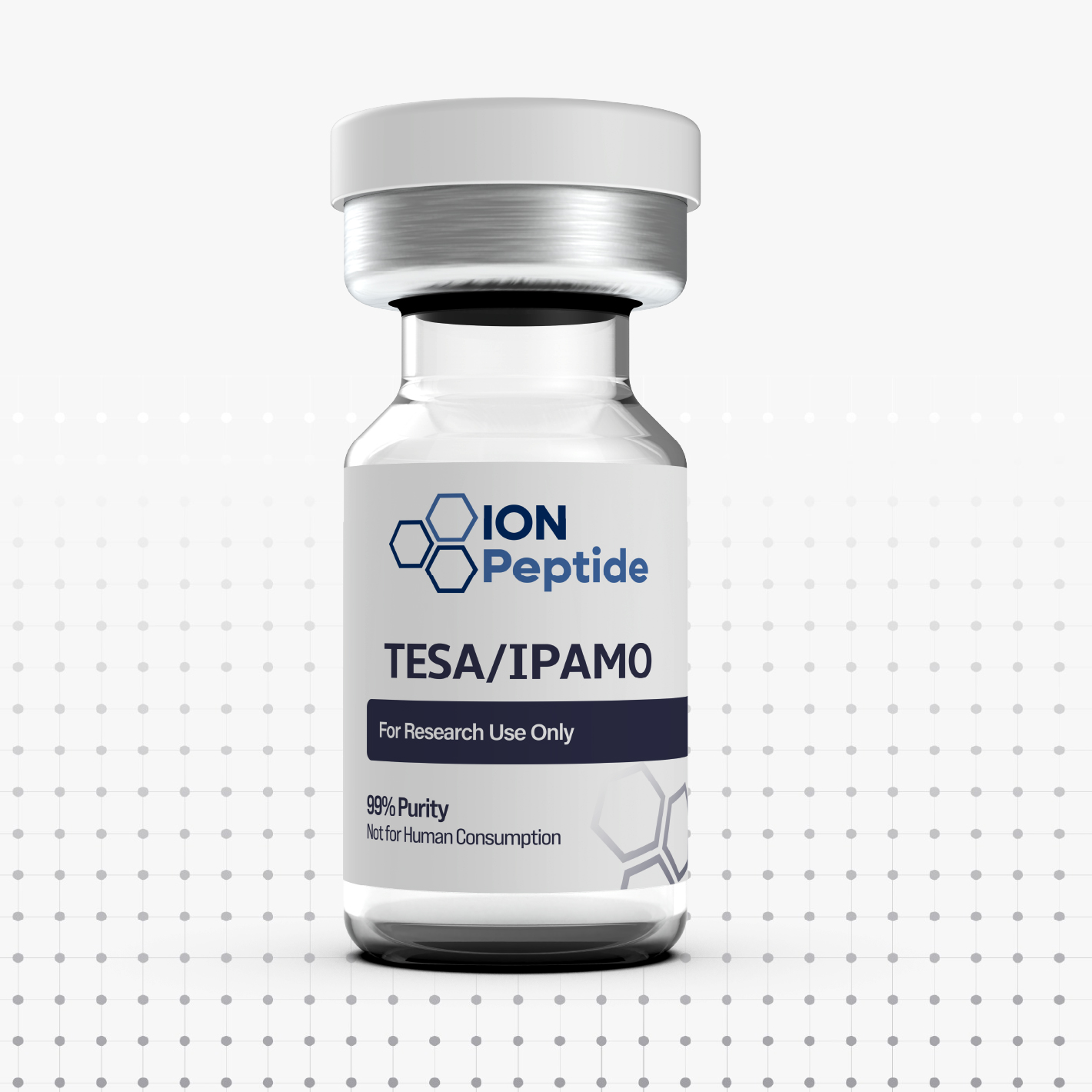
Buy Tesa/Ipamo Online
Buy Tesa/Ipamo Online are two peptides that have generated significant interest within the peptide research community. Both compounds are associated with growth hormone signaling pathways, yet they operate through distinct biological mechanisms. Researchers frequently examine this combination because it provides an opportunity to study multiple aspects of endocrine regulation, peptide receptor activity, and hormone-related cellular communication.
As peptide science continues to expand, the Tesamorelin and Ipamorelin combination remains a topic of interest in endocrinology, molecular biology, and peptide research. Understanding how these compounds interact with growth hormone pathways helps scientists investigate broader questions involving hormone regulation, receptor signalling, and physiological communication networks.
What Is Tesamorelin?
Tesamorelin is a synthetic analogue of Growth Hormone-Releasing Hormone (GHRH). It was designed to mimic the action of naturally occurring GHRH, a hormone responsible for stimulating the pituitary gland to release growth hormone.
Researchers study Tesamorelin because of its ability to activate GHRH receptors located in the anterior pituitary gland. This activation triggers natural growth hormone secretion through established physiological pathways. The peptide’s structure has been modified to improve stability and extend its biological activity compared with naturally occurring GHRH.
What Is Ipamorelin?
Ipamorelin belongs to a class of compounds known as Growth Hormone Secretagogues (GHS). Unlike Tesamorelin, which primarily targets GHRH receptors, Ipamorelin interacts with ghrelin-related receptors involved in growth hormone release signalling.
Researchers are particularly interested in Ipamorelin because of its receptor selectivity. Scientific investigations often focus on how the peptide influences endocrine signalling while interacting with specific biological pathways. This targeted mechanism has made Ipamorelin a widely studied compound within peptide research.
Why Researchers Study Tesamorelin and Ipamorelin Together
One reason researchers investigate the Tesamorelin and Ipamorelin combination is that the two peptides operate through different receptor systems. Tesamorelin acts primarily through GHRH receptors, while Ipamorelin influences growth hormone secretion through ghrelin receptor pathways.
Because these mechanisms differ, scientists can explore how multiple signalling pathways contribute to endocrine regulation and physiological communication. This makes the combination particularly interesting for laboratory investigations focused on hormonal interactions and receptor biology.
Research discussions frequently examine:
- Growth hormone signalling pathways
- Endocrine regulation
- Pituitary gland function
- Receptor interactions
- Cellular communication
- Hormonal feedback systems
- Peptide-receptor specificity
Understanding Growth Hormone Signalling
Growth hormone regulation is one of the most complex endocrine systems in the human body. Multiple hormones, receptors, and feedback mechanisms work together to maintain appropriate physiological balance.
Researchers studying Tesamorelin and Ipamorelin often focus on:
Growth Hormone-Releasing Hormone Pathways
GHRH is produced within the hypothalamus and stimulates growth hormone release from the pituitary gland. Tesamorelin serves as a research tool for investigating these pathways.
Ghrelin Receptor Activity
Ghrelin-related receptors play a role in hormone regulation and signalling. Ipamorelin provides researchers with an opportunity to examine how these receptors contribute to growth hormone secretion.
Endocrine Feedback Mechanisms
The endocrine system relies heavily on feedback loops. Understanding how peptides interact with these systems remains a major focus of scientific investigation.
Applications in Peptide Research
Tesamorelin and Ipamorelin are commonly discussed within several research fields.
Endocrinology Research
Researchers continue to explore how hormones communicate within the endocrine system. Peptides such as Tesamorelin and Ipamorelin provide valuable insights into hormone release mechanisms and receptor interactions.
Receptor Biology Studies
Understanding receptor activation remains fundamental to peptide science. Scientists investigate how peptide molecules bind to receptors and initiate intracellular signalling pathways.
Cellular Communication Research
Cells rely on signalling molecules to coordinate physiological functions. Peptides are among the most important signalling compounds in biological systems, making them essential subjects of study.
Molecular Biology Investigations
The interaction between peptides, receptors, and cellular signalling networks provides important information regarding biological regulation at the molecular level.
Scientific Interest in Peptide Combinations
Peptide combinations have become increasingly important within research environments because they allow scientists to investigate multiple biological pathways simultaneously.
Researchers examining peptide combinations often seek to understand:
- Synergistic signalling mechanisms
- Hormone regulation pathways
- Receptor interactions
- Molecular communication networks
- Cellular response patterns
- Endocrine system complexity
The Tesamorelin and Ipamorelin combination represents one example of how researchers study multiple interconnected biological systems.
Importance of Research-Grade Quality
Quality is a critical consideration in peptide research. Reliable scientific investigations require peptides that meet rigorous standards for purity, consistency, and manufacturing quality.
Researchers often evaluate:
- Purity levels
- Manufacturing processes
- Analytical testing standards
- Batch consistency
- Stability characteristics
- Documentation and verification
High-quality research materials help support reproducibility and reliability in scientific investigations.
Storage and Handling Considerations
Proper peptide storage helps maintain product integrity and stability. General laboratory best practices include:
- Following manufacturer’s storage recommendations
- Protecting peptides from excessive heat and moisture
- Using sterile handling procedures
- Maintaining appropriate storage temperatures
- Avoiding unnecessary exposure to environmental contaminants
Researchers should always follow the specific instructions provided with peptide materials.
The Growing Field of Peptide Science
Peptide research has expanded rapidly due to advances in biotechnology, molecular biology, and analytical techniques. Scientists continue to discover new peptide functions and biological applications across numerous research disciplines.
Current areas of interest include:
- Hormone regulation
- Cellular signaling
- Immunology
- Neuroscience
- Metabolic research
- Molecular medicine
- Receptor biology
As knowledge continues to grow, peptides remain among the most important molecules studied within modern biological research.
Future Research Directions
Future investigations involving Tesamorelin, Ipamorelin, and related compounds may provide additional insights into endocrine regulation and biological signalling. Researchers continue to explore receptor interactions, hormone communication pathways, and the molecular mechanisms underlying peptide activity.
Advances in peptide synthesis and analytical technologies are expected to support increasingly sophisticated investigations into these compounds and their biological roles.
Conclusion
Tesamorelin and Ipamorelin remain important subjects within peptide and endocrine research. Their distinct mechanisms of action provide researchers with valuable opportunities to investigate growth hormone signalling, receptor biology, and cellular communication pathways.
As peptide science advances, the Tesamorelin and Ipamorelin combination will likely continue to play a role in studies focused on endocrine regulation, molecular signalling, and the broader understanding of biological communication systems. Their relevance to multiple research disciplines ensures continued scientific interest in these widely discussed peptides.
Related products