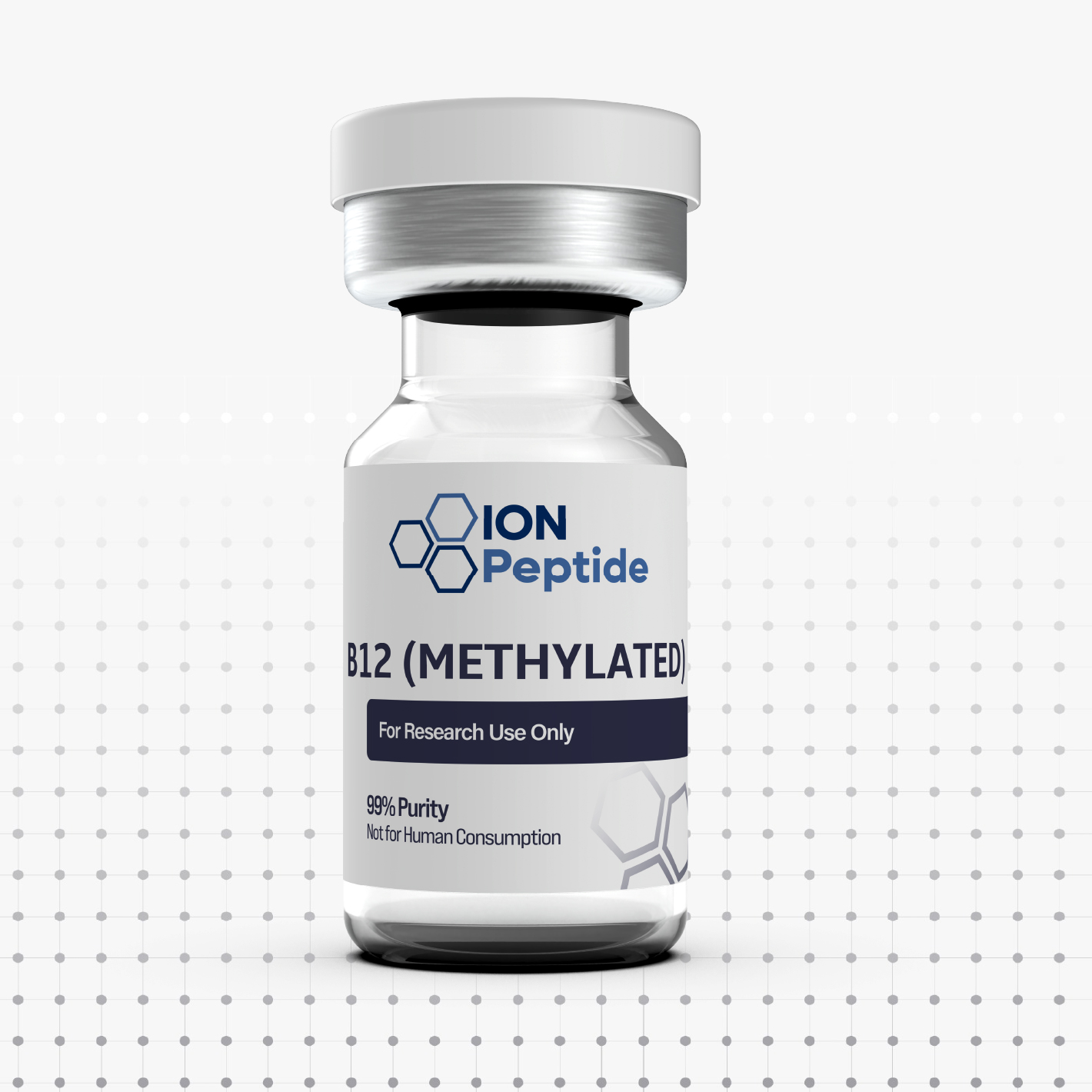


Buy B12-Methylated 10mg Online
Buy B12-Methylated 10mg Online. Vitamin B12 is one of the most essential water-soluble vitamins required for numerous biological processes within the human body. Among the different forms of vitamin B12, Methylcobalamin, often referred to as methylated B12, has attracted significant scientific interest because of its role in cellular metabolism and biochemical pathways.
Researchers and healthcare professionals continue to investigate methylcobalamin because it participates in various physiological processes involving energy production, cellular function, and nervous system biology. As interest in vitamins, nutritional science, and molecular biology grows, methylated B12 remains an important subject of study.
This educational article explores the science behind B12-Methylated 10mg, its molecular characteristics, biological significance, and why vitamin B12 continues to play an important role in modern nutritional and biochemical research.
What is B12-Methylated 10mg?
B12-Methylated 10mg refers to a preparation containing Methylcobalamin, one of the naturally occurring forms of vitamin B12.
Vitamin B12 belongs to a group of compounds known as cobalamins, which contain the mineral cobalt at their centre. Methylcobalamin is considered one of the biologically active forms of vitamin B12 and is involved in important metabolic pathways.
Researchers investigate methylcobalamin because of its relationship to:
- Cellular metabolism
- DNA synthesis
- Nervous system biology
- Protein metabolism
- Energy production pathways
- Methylation processes
The growing interest in methylcobalamin has contributed significantly to research in nutrition and molecular biology.
Understanding Vitamin B12
Vitamin B12 is an essential nutrient that the human body cannot produce on its own.
It is naturally found in foods such as:
- Fish
- Meat
- Eggs
- Dairy products
- Fortified foods
Because vitamin B12 is involved in numerous biochemical pathways, scientists continue to investigate its role in maintaining normal physiological function.
What Is Methylcobalamin?
Methylcobalamin is one of several forms of vitamin B12.
Other forms include:
- Cyanocobalamin
- Hydroxocobalamin
- Adenosylcobalamin
Among these compounds, methylcobalamin is particularly important because it serves as an active coenzyme in various biological reactions.
Researchers continue to study how different forms of vitamin B12 behave within complex biochemical systems.
The Science of Methylation
One reason methylcobalamin has attracted scientific attention is its involvement in methylation pathways.
Methylation is a fundamental biochemical process involved in:
- DNA regulation
- Protein synthesis
- Cellular communication
- Gene expression
- Metabolic pathways
Scientists continue to investigate how these processes influence human biology and cellular function.
Why Researchers Study Vitamin B12
Researchers investigate vitamin B12 because it participates in several essential biological functions.
Cellular Metabolism
Supporting numerous enzymatic reactions.
DNA Synthesis
Contributing to the production and maintenance of genetic material.
Protein Metabolism
Participating in amino acid pathways.
Neurological Research
Investigating the relationship between vitamin B12 and nervous system biology.
Energy Production
Studying metabolic pathways involved in cellular energy generation.
The importance of these functions has made vitamin B12 one of the most widely researched micronutrients.
The Molecular Structure of Methylcobalamin
The structure of methylcobalamin is highly complex and unique.
Researchers study several important characteristics:
Cobalt Core
A central cobalt atom distinguishes cobalamins from other vitamins.
Molecular Stability
Scientists examine how the molecule behaves under different conditions.
Enzyme Interactions
Researchers investigate how methylcobalamin functions within biochemical pathways.
Cellular Transport
Understanding how vitamin B12 is utilised by cells.
The complexity of this structure contributes to the growing interest in vitamin B12 research.
Vitamin B12 and Cellular Biology
Cells rely on a variety of vitamins and nutrients to maintain proper function.
Researchers investigate how vitamin B12 contributes to:
- Cellular communication
- Metabolic regulation
- Protein interactions
- Molecular signaling
- Biological organization
Understanding these relationships remains an important objective in nutritional science and molecular biology.
The Importance of Micronutrients
Micronutrients such as vitamin B12 play critical roles in biological systems.
Researchers study micronutrients because they influence:
- Enzymatic activity
- Metabolic pathways
- Cellular maintenance
- Physiological regulation
- Molecular communication
The field of nutritional science continues to expand as scientists seek to better understand how vitamins contribute to overall biological function.
Applications in Scientific Research
Methylcobalamin is investigated across numerous scientific disciplines.
Nutritional Science
Studying essential nutrient requirements.
Molecular Biology
Understanding biochemical pathways and cellular interactions.
Biochemistry
Examining enzyme activity and metabolic reactions.
Neuroscience Research
Investigating vitamin B12’s relationship to nervous system biology.
Biotechnology
Developing advanced analytical methods and nutritional research tools.
These areas continue to evolve as scientific knowledge expands.
Laboratory Technologies Used to Study Vitamin B12
Modern nutritional research relies on sophisticated analytical methods.
High-Performance Liquid Chromatography (HPLC)
Used to analyse vitamin composition and purity.
Mass Spectrometry
Provides molecular identification and characterisation.
Biochemical Assays
Investigates enzymatic activity and metabolic pathways.
Computational Modeling
Predicts molecular interactions and biological behaviour.
Nutritional Analysis Techniques
Examines relationships between nutrients and physiological systems.
These technologies continue to improve scientific understanding of vitamins and their properties.
The Importance of Quality Standards
Reliable scientific investigations depend upon rigorous quality control procedures.
Researchers commonly evaluate:
Purity
Ensuring consistency and reproducibility.
Identity Verification
Confirming molecular composition.
Stability
Assessing storage characteristics.
Documentation
Supporting transparency and scientific integrity.
Compliance
Following recognised laboratory and manufacturing standards.
Quality assurance remains essential for meaningful nutritional research.
Storage and Laboratory Handling
Proper storage procedures are important when handling nutritional compounds and research materials.
General recommendations often include:
- Following supplier instructions
- Maintaining appropriate storage conditions
- Protecting materials from contamination
- Monitoring product stability
- Using validated laboratory techniques
Researchers should always follow established protocols and institutional guidelines.
Future Directions in Vitamin B12 Research
Scientific interest in vitamin B12 continues to grow.
Future investigations may focus on:
Advanced Nutritional Science
Understanding increasingly complex metabolic pathways.
Molecular Biology
Investigating interactions between vitamins and cellular systems.
Biotechnology Innovation
Developing improved analytical methods.
Systems Biology
Studying relationships among interconnected biological pathways.
Precision Nutrition
Exploring how nutrients influence individual biological processes.
As scientific understanding evolves, vitamin B12 research is expected to remain an important area of nutritional science.
Why Vitamin Research Matters
Research involving vitamins and micronutrients contributes significantly to our understanding of:
- Cellular communication
- Metabolic regulation
- Biological organization
- Nutritional requirements
- Complex physiological systems
The continued interest in methylcobalamin reflects the growing importance of nutritional science in modern research and healthcare.
Conclusion
B12-Methylated 10mg (Methylcobalamin) remains an important subject in nutritional and biochemical research. As one of the active forms of vitamin B12, it continues to provide researchers with valuable insights into metabolism, cellular communication, and molecular biology.
Although scientific understanding of vitamin B12 continues to evolve, methylcobalamin remains a key area of interest because of its involvement in numerous biological processes and its significance in nutritional science.
For more information about research products and educational resources:
Website: https://ionpeptides.store/
WhatsApp: +1 (318) 341-5522
Email: support@ionpeptides.online
Related products
All
All