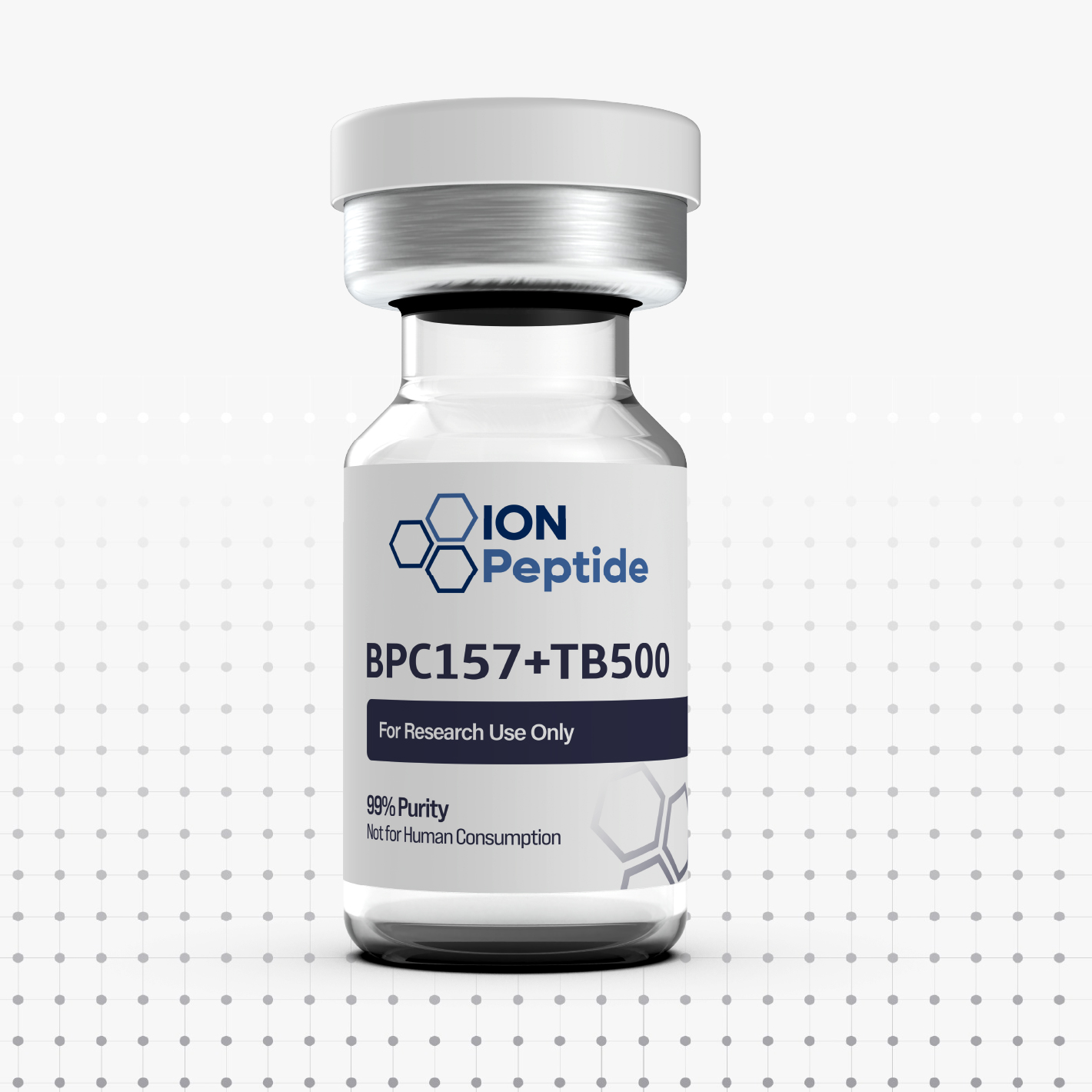


Buy BPC157+TB500 Online
Buy BPC157+TB500 Online. Peptide science has become one of the most rapidly evolving fields in biotechnology and molecular biology. Researchers continue to investigate how short chains of amino acids influence cellular communication, molecular signalling, and complex biological systems. Among the compounds that have generated significant scientific interest are BPC-157 and TB500, two experimental peptides that have been widely discussed in laboratory and preclinical research.
Scientists often study combinations of peptides because biological systems rely on networks of signaling molecules rather than individual compounds acting alone. The combination of BPC-157 and TB500 has therefore become an area of interest for researchers exploring cellular communication, protein interactions, and tissue biology.
Although these peptides have been investigated in experimental settings, both compounds remain the subject of ongoing scientific research and are not approved as standard therapeutic medications in many jurisdictions.
This educational article explores the science behind BPC-157 and TB500, their molecular characteristics, and why they continue to attract attention in modern peptide research.
What Is BPC-157?
BPC-157 stands for Body Protection Compound-157. It is a synthetic peptide composed of fifteen amino acids and is derived from a protein sequence associated with gastric tissues.
Researchers investigate BPC-157 because it provides opportunities to study:
- Cellular communication
- Molecular signalling pathways
- Protein interactions
- Systems biology
- Tissue organization
- Peptide-based regulation
Its unique structure has made it an intriguing subject in peptide science and biotechnology.
What Is TB500?
TB500 is a synthetic peptide derived from Thymosin Beta-4 (TB4), a naturally occurring peptide found in many tissues throughout the body.
Researchers investigate TB500 because it contributes to the study of:
- Cellular migration
- Protein interactions
- Cytoskeletal organization
- Cellular communication
- Molecular regulation
TB500 has become a notable research tool because it provides insights into how signalling molecules participate in complex biological processes.
Understanding Peptides
Peptides are short chains of amino acids connected by peptide bonds.
Scientists investigate peptides because they play important roles in:
- Cellular signaling
- Hormonal communication
- Molecular regulation
- Protein interactions
- Biological coordination
- Systems biology
Peptides function as messengers within biological systems and provide researchers with valuable tools for studying cellular processes.
The growing interest in peptide science has contributed to advances in molecular biology and biotechnology.
Why Researchers Study Peptide Combinations
Researchers often investigate combinations of peptides because biological systems operate through interconnected networks.
Studying multiple peptides may help scientists better understand:
Cellular Networks
How signalling pathways communicate with one another.
Systems Biology
Interactions among various biological processes.
Molecular Communication
How peptides participate in complex regulatory systems.
Protein Interactions
The relationships between peptides and cellular proteins.
The combination of BPC-157 and TB500 represents an example of scientific interest in multi-peptide research.
The Molecular Importance of Peptides
Peptides possess several characteristics that make them valuable research tools.
Researchers investigate:
Amino Acid Sequences
Understanding how structure influences biological behaviour.
Receptor Interactions
Studying communication between peptides and cells.
Molecular Stability
Evaluating peptide behaviour under laboratory conditions.
Cellular Signaling
Investigating interactions among biological pathways.
These characteristics have contributed significantly to the growing importance of peptide science.
Cellular Communication and Peptide Signalling
Cells rely on intricate communication systems to maintain biological organisation.
Researchers investigate how peptides participate in:
- Signal transmission
- Protein interactions
- Cellular coordination
- Molecular recognition
- Biological regulation
Peptide compounds continue to provide valuable opportunities to explore these processes.
Protein Interactions and Molecular Biology
Proteins and peptides interact continuously within biological systems.
Scientists investigate these interactions because they influence:
- Cellular organization
- Molecular communication
- Biological pathways
- Structural regulation
- Physiological coordination
Research involving BPC-157 and TB500 contributes to a broader understanding of these complex biological networks.
Applications in Scientific Research
Experimental peptides such as BPC-157 and TB500 have been investigated across several scientific disciplines.
Molecular Biology
Studying signalling pathways and protein interactions.
Cell Biology
Examining cellular organisation and communication.
Biochemistry
Understanding molecular mechanisms and protein behaviour.
Biotechnology
Developing advanced analytical methods and research technologies.
Systems Biology
Investigating interactions among complex biological networks.
These research areas continue to evolve as scientific understanding advances.
Laboratory Technologies Used in Peptide Research
Modern peptide science relies on sophisticated analytical methods.
High-Performance Liquid Chromatography (HPLC)
Used to evaluate peptide purity and composition.
Mass Spectrometry
Provides molecular identification and characterisation.
Computational Modeling
Predicts molecular interactions and structural behaviour.
Cell Culture Studies
Examines peptide interactions within biological systems.
Protein Analysis Techniques
Investigates relationships between peptides and signalling pathways.
These technologies have significantly improved scientific understanding of peptides and their properties.
The Importance of Quality Standards
Reliable scientific investigations depend upon rigorous quality control procedures.
Researchers commonly evaluate:
Purity
Ensuring reproducible experimental conditions.
Identity Verification
Confirming molecular composition.
Stability
Assessing storage characteristics and consistency.
Documentation
Supporting scientific integrity and transparency.
Reproducibility
Maintaining reliable laboratory standards.
Quality assurance remains essential for meaningful scientific research.
Storage and Laboratory Handling
Proper handling procedures are important in research environments.
General recommendations often include:
- Following supplier instructions
- Maintaining recommended storage conditions
- Preventing contamination
- Using validated laboratory techniques
- Monitoring material stability
Researchers should always follow institutional guidelines and established laboratory protocols.
The Growing Importance of Peptide Research
Peptide science has become one of the most dynamic areas of biotechnology.
Researchers increasingly investigate peptides to better understand:
- Cellular communication
- Molecular regulation
- Protein interactions
- Biological organization
- Complex physiological systems
Compounds such as BPC-157 and TB500 continue to provide valuable opportunities to investigate these processes and expand scientific knowledge.
Future Directions in BPC-157 and TB500 Research
Scientific interest in experimental peptides continues to grow.
Future investigations may focus on:
Advanced Molecular Biology
Understanding increasingly complex signalling networks.
Computational Research
Modelling peptide interactions and biological behaviour.
Biotechnology Innovation
Developing improved analytical methods and technologies.
Protein Engineering
Designing increasingly sophisticated research tools.
Systems Biology
Expanding understanding of interconnected biological pathways.
As scientific knowledge evolves, researchers are expected to continue exploring the role of peptides in cellular communication and molecular regulation.
Why Peptide Research Matters
Peptide science has become an essential component of modern biotechnology.
Researchers increasingly recognise peptides as valuable tools for studying:
- Cellular communication
- Molecular signaling
- Protein interactions
- Tissue organization
- Complex biological systems
The continued interest in BPC-157 and TB500 reflects the growing importance of peptide research in understanding the mechanisms that regulate life at the molecular level.
Conclusion
BPC-157 and TB500 remain important subjects in peptide research because of their relationships to cellular communication, protein interactions, and complex signalling pathways. As experimental peptides, they continue to provide researchers with opportunities to investigate molecular biology and systems science.
Although many questions remain regarding their mechanisms and broader applications, these compounds contribute to ongoing scientific discussions surrounding peptide biology and biotechnology.
For more information about peptide-related research topics:
Website: https://ionpeptides.store/
WhatsApp: +1 (318) 341-5522
Email: support@ionpeptides.online
Related products

All
All