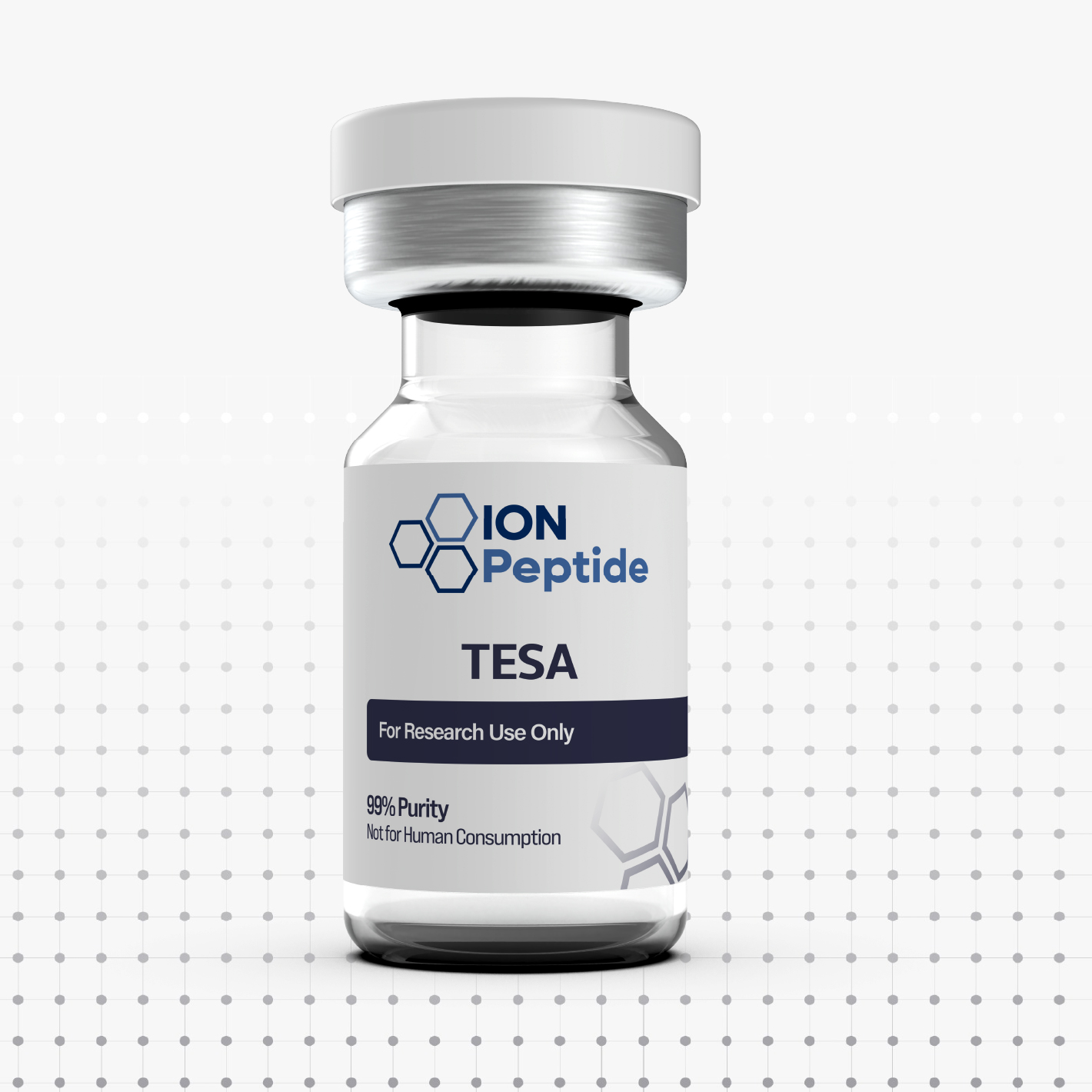
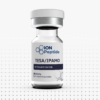
Buy Tesa Peptide Online
Buy Tesa Peptide Online is a synthetic analogue of growth hormone-releasing hormone (GHRH). It was specifically designed to stimulate the pituitary gland’s natural release of growth hormone. Unlike direct growth hormone administration, Tesamorelin works by encouraging the body’s physiological growth hormone secretion pathways.
The peptide consists of 44 amino acids and includes modifications that improve stability and resistance to enzymatic degradation. These characteristics have made Tesamorelin an important subject of research involving hormone regulation and peptide therapeutics.
How Tesamorelin Works
Tesamorelin functions by binding to GHRH receptors located within the anterior pituitary gland. When these receptors are activated, the pituitary releases growth hormone into circulation. Growth hormone subsequently stimulates the production of insulin-like growth factor 1 (IGF-1), which plays an important role in numerous physiological processes.
Researchers have focused on Tesamorelin because it follows the body’s natural endocrine signalling mechanisms. Rather than introducing exogenous growth hormone directly, it stimulates endogenous hormone production through established biological pathways.
Scientific Interest in Growth Hormone-Releasing Peptides
Growth hormone-releasing peptides and analogues have become increasingly important in endocrinology research. Scientists continue to investigate how these compounds affect hormone regulation, cellular signalling, metabolism, and body composition.
Tesamorelin is often discussed within this broader category because of its specificity for GHRH receptors and its ability to stimulate natural growth hormone release. Research in this area contributes to a better understanding of endocrine function and hormone-related biological processes.
Tesamorelin and Endocrine Research
One of the primary areas of interest surrounding Tesamorelin involves endocrine system regulation. The endocrine system consists of glands that produce hormones responsible for maintaining numerous physiological functions.
Researchers study Tesamorelin to understand better:
- Growth hormone secretion pathways
- Pituitary gland function
- Hormonal signalling mechanisms
- IGF-1 regulation
- Endocrine feedback systems
- Peptide-receptor interactions
These investigations continue to provide valuable insights into how hormones influence biological processes throughout the body.
Cellular Signalling and Peptide Research
Peptides serve as critical signalling molecules within the body. Tesamorelin represents an important example of how synthetic peptides can interact with naturally occurring receptor systems.
Researchers examining peptide biology often focus on:
- Receptor activation
- Cellular communication
- Signal transduction pathways
- Hormonal regulation
- Molecular interactions
- Biological feedback mechanisms
The study of Tesamorelin contributes to a growing understanding of how peptides influence cellular responses through targeted receptor activity.
The Importance of Peptide Quality in Research
Quality remains one of the most important considerations when working with peptides in research environments. Researchers depend on peptide products that meet high standards of purity, consistency, and manufacturing quality.
Factors often evaluated include:
- Peptide purity
- Manufacturing standards
- Analytical testing
- Batch consistency
- Storage stability
- Product documentation
Reliable peptide quality helps support reproducibility and accuracy within scientific investigations.
Growing Interest in Peptide Science
The peptide research field has expanded significantly over the past decade. Scientists continue to discover new applications for peptides across multiple disciplines, including endocrinology, immunology, neuroscience, and cellular biology.
Several factors contribute to the popularity of peptide research:
Targeted Biological Activity
Peptides often interact with specific receptors and pathways, allowing researchers to investigate precise biological mechanisms.
Natural Physiological Relevance
Many peptides mimic naturally occurring signalling molecules, making them valuable tools for studying biological processes.
Expanding Scientific Literature
Thousands of peer-reviewed studies continue to explore peptide function, receptor biology, and therapeutic development.
Advanced Research Technologies
Modern analytical techniques have improved scientists’ ability to investigate peptide interactions at the molecular level.
Tesamorelin in Modern Research
Tesamorelin remains one of the most widely discussed peptides within growth hormone-related research. Its receptor specificity and well-characterised mechanism have contributed to extensive scientific interest.
Researchers continue to explore questions related to:
- Hormone regulation
- Endocrine physiology
- Receptor biology
- Cellular communication
- Metabolic signaling
- Growth hormone pathways
As scientific understanding advances, Tesamorelin remains a valuable model for studying peptide-based signalling systems.
Storage and Handling Considerations
Proper storage and handling procedures are essential when working with research peptides. Maintaining appropriate conditions helps preserve peptide integrity and supports consistent research outcomes.
Common recommendations include:
- Store according to manufacturer guidelines.
- Protect products from excessive heat and moisture.
- Maintain sterile laboratory practices.
- Avoid repeated freeze-thaw cycles when applicable.
- Use appropriate storage containers and equipment.
Researchers should always follow specific handling instructions provided with peptide products.
Future Directions in Peptide Research
Peptide science continues to evolve rapidly. Advances in biotechnology, molecular biology, and pharmaceutical development have expanded interest in peptide-based compounds.
Future research may further explore:
- Novel peptide analogues
- Improved peptide stability
- Receptor-selective compounds
- Endocrine signalling pathways
- Precision medicine applications
- Advanced peptide delivery technologies
Tesamorelin and related compounds will likely remain important subjects of investigation as researchers seek to understand hormone regulation and biological signalling networks better.
Conclusion
Tesamorelin is a synthetic growth hormone-releasing hormone analogue that has become an important topic within peptide and endocrine research. Its ability to stimulate natural growth hormone release through physiological pathways has made it valuable for studying hormone regulation, receptor biology, and cellular communication.
As scientific interest in peptide-based compounds continues to grow, Tesamorelin remains a significant example of how targeted peptides can help researchers investigate complex biological systems. Ongoing studies continue to contribute to our understanding of endocrine function, molecular signalling, and peptide science.
Related products