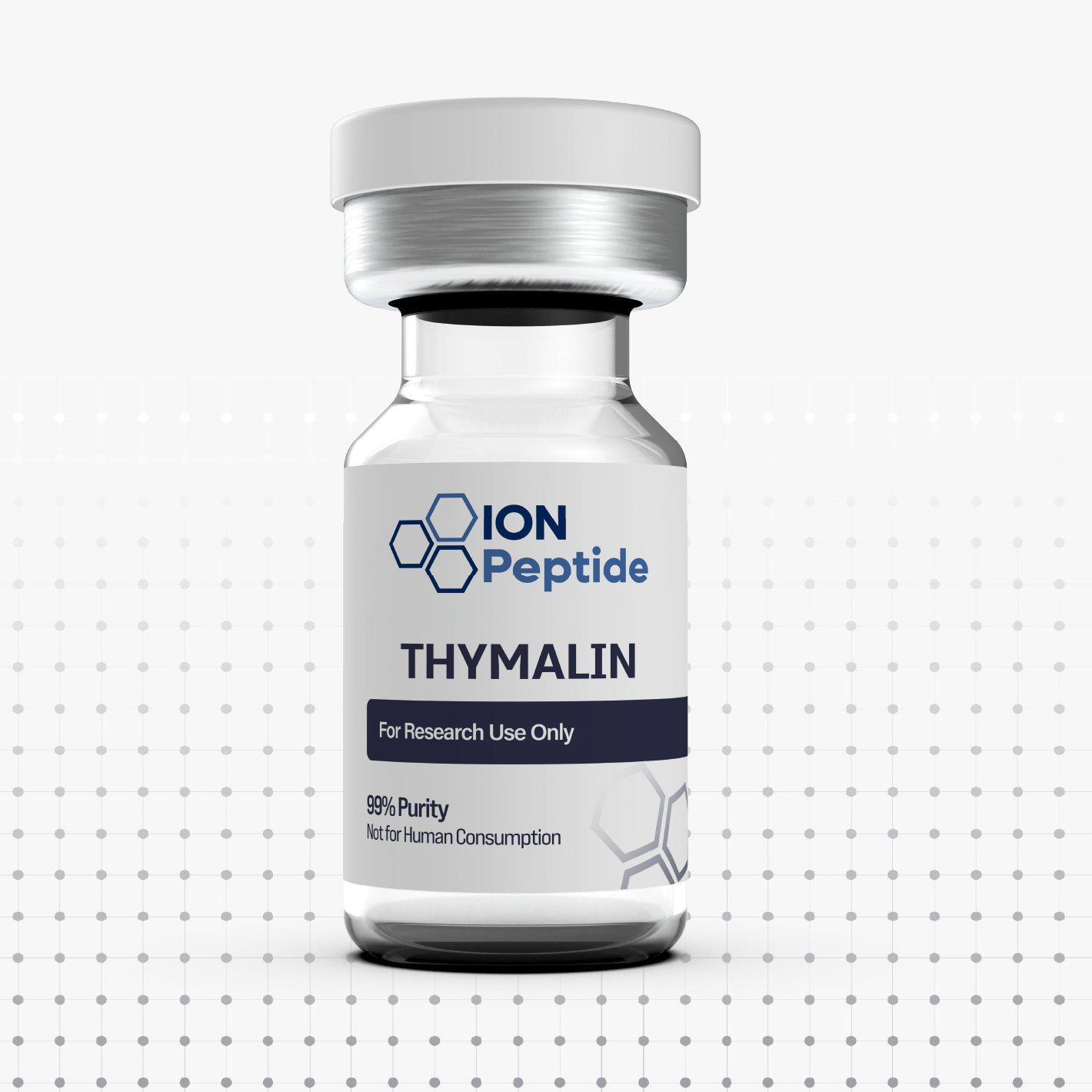
Buy Thymalin 10mg Online
Buy Thymalin 10mg Online is a peptide complex that has attracted scientific attention due to its association with the thymus gland and its potential role in cellular regulation. Researchers have investigated Thymalin for decades as part of broader studies involving immune system biology, peptide signalling, ageing-related processes, and cellular communication. As interest in peptide science continues to expand, Thymalin remains a topic of discussion among researchers exploring the relationship between peptides and physiological regulation.
This article provides an educational overview of Thymalin 10mg, including its origin, biological significance, research applications, and its place within modern peptide science.
What Is Thymalin?
Thymalin is a peptide complex originally derived from thymic tissue. The thymus gland is a specialised organ involved in the development and regulation of immune system function. Scientists have long recognised the thymus as an important component of the body’s immune network, particularly during early stages of development.
Researchers study Thymalin because it contains biologically active peptide fractions that may influence cellular communication pathways. Interest in these peptides has led to investigations involving immunology, gerontology, molecular biology, and peptide-based research.
Unlike single-chain peptides, Thymalin is often described as a complex of naturally occurring peptide molecules associated with thymic tissue. This characteristic has contributed to ongoing scientific curiosity regarding its biological properties and mechanisms of action.
The Role of the Thymus in Human Biology
To understand the significance of Thymalin, it is useful to consider the function of the thymus gland.
The thymus plays an important role in the maturation and development of specific immune cells. Throughout life, the thymus contributes to the regulation of immune-related processes and helps support communication between various components of the immune system.
Scientists have observed that thymic activity changes over time, leading researchers to investigate how thymus-derived peptides may influence biological functions associated with ageing and immune regulation.
These observations have helped establish the foundation for continued research involving thymic peptides such as Thymalin.
Why Researchers Study Thymalin
Thymalin has become a subject of scientific investigation for several reasons.
Interest in Cellular Communication
Cells rely on signalling molecules to coordinate biological processes. Researchers study peptide compounds because they often participate in communication networks that regulate cellular behaviour.
Thymalin has been examined as part of broader efforts to understand how peptide-based signals influence physiological regulation and cellular interactions.
Ageing and Longevity Research
The relationship between ageing and immune system function remains an active area of scientific exploration. Researchers have investigated thymic peptides in studies focused on age-related biological changes and cellular maintenance processes.
These investigations aim to better understand how peptide signalling pathways contribute to long-term physiological function.
Molecular Biology Studies
Peptides are among the most important signalling molecules in living organisms. Scientists studying molecular biology frequently explore how peptide compounds interact with cells, receptors, genes, and intracellular pathways.
Thymalin has become one of many peptide complexes examined within this expanding area of research.
Thymalin and Peptide Science
The field of peptide science has experienced substantial growth in recent years. Researchers continue to identify new peptide molecules and investigate their biological functions.
Several factors contribute to scientific interest in peptides:
- Their role as natural signalling molecules
- Their interaction with specific cellular targets
- Their involvement in biological regulation
- Their relevance to molecular communication systems
- Their potential utility as research tools
Thymalin represents an example of how naturally derived peptide complexes can provide opportunities for scientific investigation across multiple disciplines.
Potential Research Areas
Researchers have explored Thymalin in a variety of scientific contexts.
Immunology Research
Because Thymalin originates from thymic tissue, it has frequently been discussed in immunological studies. Researchers examine how thymus-associated peptides contribute to cellular communication and immune-related biological processes.
Gerontology Research
Gerontology focuses on understanding the biological aspects of ageing. Scientists studying age-related changes have investigated thymic peptides as part of broader efforts to understand longevity and physiological maintenance.
Cellular Biology
Cellular biology examines how cells function, communicate, and respond to environmental signals. Peptides play important roles within these processes, making them valuable subjects of investigation.
Molecular Signalling Research
Peptide signalling networks are essential to many biological systems. Researchers continue to study how peptide molecules influence communication between cells and tissues.
Importance of Quality in Peptide Research
Researchers depend on high-quality materials when conducting scientific investigations. The quality of peptide products can significantly influence experimental reliability and reproducibility.
Important considerations often include:
- Purity standards
- Manufacturing consistency
- Analytical testing
- Product stability
- Proper documentation
- Storage requirements
Maintaining rigorous quality standards helps support reliable research outcomes and accurate scientific observations.
Storage and Handling Considerations
Proper storage and handling procedures are essential when working with peptide materials.
General laboratory recommendations often include:
- Storing peptides according to manufacturer guidelines
- Protecting products from excessive moisture
- Maintaining appropriate temperature conditions
- Using sterile laboratory techniques
- Avoiding unnecessary exposure to environmental contaminants
Researchers should always follow established laboratory protocols and product-specific instructions.
The Expanding Future of Peptide Research
Peptide science continues to evolve as new technologies improve researchers’ ability to study biological systems. Advances in molecular biology, biotechnology, and analytical chemistry have expanded opportunities to investigate peptide-based signalling mechanisms.
Future research directions may include:
- Cellular communication pathways
- Gene regulation studies
- Molecular signalling networks
- Immune system biology
- Aging-related processes
- Biomarker research
- Advanced peptide characterisation
As scientific understanding continues to grow, peptides such as Thymalin remain valuable subjects of investigation.
Understanding Research Limitations
While Thymalin has been the subject of scientific interest, researchers recognise the importance of evidence-based investigation. Scientific knowledge develops through carefully designed studies, peer-reviewed research, and ongoing evaluation of available data.
Responsible scientific inquiry requires:
- Objective analysis
- Reproducible methodology
- Rigorous testing
- Transparent reporting
- Critical evaluation of findings
These principles help ensure that peptide research continues to advance based on reliable scientific evidence.
Why Peptides Continue to Attract Scientific Interest
The popularity of peptide research stems from the fundamental role peptides play in biology. Virtually every major physiological system relies on peptide signalling to some extent.
Researchers continue to explore peptides because they provide opportunities to study:
- Hormonal regulation
- Cellular communication
- Immune system function
- Tissue signaling
- Molecular interactions
- Biological adaptation mechanisms
Thymalin represents one component of this broader scientific effort to understand how peptide molecules contribute to physiological regulation.
Conclusion
Thymalin 10mg remains an interesting topic within peptide research due to its connection to thymic biology, cellular communication, and immune system studies. Researchers continue to investigate thymus-derived peptides as part of broader efforts to understand ageing, molecular signalling, and physiological regulation.
As peptide science advances, compounds such as Thymalin provide valuable opportunities for scientific exploration and contribute to a deeper understanding of the complex signalling networks that support biological function. Ongoing research will continue to clarify the role of thymic peptides within modern molecular and cellular biology.
Related products