
Buy Acetic Acid 0.6%-10ml Online
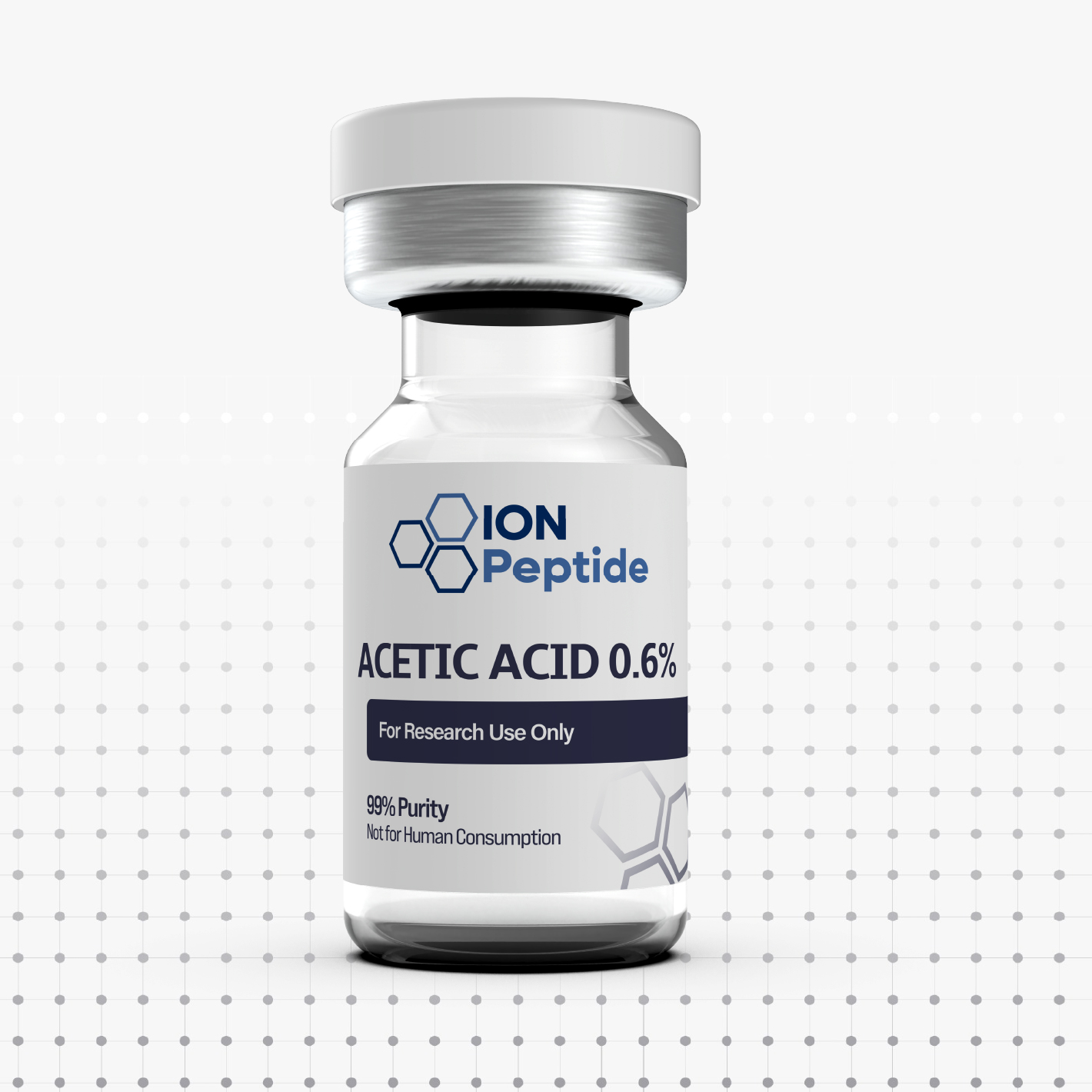
Buy Acetic Acid 0.6%-10ml Online is one of the most widely recognised organic acids in chemistry and laboratory science. It plays an important role in analytical chemistry, biotechnology, microbiology, pharmaceutical research, and educational laboratories. Available in a range of concentrations, Acetic Acid 0.6% (10 mL) is a dilute solution commonly used where mild acidity is required for laboratory procedures, reagent preparation, or experimental protocols.
Researchers value dilute acetic acid solutions because they are easy to handle, compatible with many laboratory applications, and useful for preparing buffered solutions, adjusting pH, and conducting analytical experiments. While concentrated acetic acid requires additional precautions due to its corrosive nature, dilute solutions such as 0.6% are generally intended for controlled laboratory use according to established safety procedures.
This educational guide explores the chemistry of Acetic Acid 0.6% – 10 mL, including its physical properties, laboratory applications, handling recommendations, storage practices, and why it remains an essential reagent in modern scientific research.
What Is Acetic Acid?
Acetic acid is an organic carboxylic acid with the chemical formula CH₃COOH. It is the primary acid responsible for the characteristic acidity of vinegar, although laboratory-grade acetic acid is produced and purified for scientific and industrial applications.
In chemistry, acetic acid is classified as a weak acid, meaning it only partially dissociates into ions when dissolved in water. This property makes it useful in many laboratory procedures where controlled acidity is required.
Researchers commonly use acetic acid in:
- Analytical chemistry
- Biotechnology
- Microbiology
- Pharmaceutical laboratories
- Educational laboratories
- Chemical manufacturing
- Buffer preparation
Understanding Acetic Acid 0.6%
A 0.6% acetic acid solution contains a relatively low concentration of acetic acid diluted with purified water.
Scientists may select dilute solutions because they can provide:
- Mild acidity
- Improved handling characteristics
- Consistent concentration
- Suitability for laboratory protocols requiring low-strength acid
The exact use of a 0.6% solution depends on the validated experimental procedure being followed.
Chemical Properties
Acetic acid possesses several characteristics that make it valuable in laboratory research.
Chemical Formula
CH₃COOH
Molecular Weight
Approximately 60.05 g/mol.
Appearance
A clear, colourless liquid under normal conditions.
Solubility
Completely miscible with water, allowing accurate dilution and solution preparation.
Weak Acid Behaviour
Partially ionizes in aqueous solution, making it useful for pH adjustment and buffer systems.
These properties have made acetic acid a standard reagent in scientific laboratories worldwide.
Why Researchers Use Dilute Acetic Acid
Scientists use dilute acetic acid in a variety of experimental settings because it provides controlled acidity while remaining easy to incorporate into laboratory protocols.
Research applications may include:
Buffer Preparation
Acetic acid is commonly used in acetate buffer systems.
pH Adjustment
Researchers may use dilute acetic acid to lower the pH of laboratory solutions in a controlled manner.
Analytical Chemistry
It can serve as a reagent in validated analytical methods.
Biological Research
Some laboratory protocols require carefully controlled acidic environments.
Educational Experiments
Dilute acetic acid is frequently used in chemistry teaching laboratories to demonstrate acid-base principles.
The specific application depends on the experimental design and laboratory procedures.
Applications Across Scientific Fields
Acetic acid is used in numerous scientific disciplines.
Analytical Chemistry
Preparation of reagents and mobile phases.
Biotechnology
Support for selected laboratory procedures and media preparation.
Microbiology
Use in certain validated experimental techniques.
Pharmaceutical Research
Component of specific analytical and formulation workflows.
Academic Laboratories
Demonstrating concepts in acid-base chemistry and solution preparation.
These diverse applications reflect the versatility of acetic acid in research.
Laboratory Preparation and Accuracy
Researchers rely on accurately prepared solutions to obtain reliable experimental results.
Important considerations include:
Precise Concentration
Using standardised formulations supports reproducibility.
Quality Water
Purified or laboratory-grade water is commonly used for preparation.
Accurate Measurement
Volumetric equipment helps ensure correct concentrations.
Proper Documentation
Recording preparation details improves traceability.
Following standardised procedures helps maintain consistency across experiments.
Quality Standards
High-quality laboratory reagents are important for dependable research.
Researchers often evaluate:
Purity
Ensuring minimal impurities that could affect experimental outcomes.
Concentration Verification
Confirming the stated percentage of acetic acid.
Batch Consistency
Supporting reproducible results across experiments.
Documentation
Certificates of analysis and product documentation provide traceability where available.
Manufacturing Standards
Laboratory reagents are often produced under recognised quality-management systems.
These quality measures contribute to reliable scientific investigations.
Storage Recommendations
Proper storage helps maintain the quality of dilute acetic acid solutions.
General recommendations include:
- Store in the original, tightly closed container.
- Keep in a cool, dry location away from excessive heat.
- Protect from contamination.
- Clearly label containers with concentration and preparation date, if prepared in-house.
- Follow the manufacturer’s storage guidance.
Researchers should always adhere to institutional laboratory policies.
Safe Handling Practices
Although a 0.6% solution is much less concentrated than glacial acetic acid, good laboratory practices remain essential.
General safety recommendations include:
- Wear appropriate personal protective equipment (PPE), such as gloves and safety glasses, when required by laboratory protocols.
- Avoid unnecessary contact with skin and eyes.
- Use clean laboratory equipment to prevent contamination.
- Dispose of waste according to local regulations and institutional procedures.
- Review the Safety Data Sheet (SDS) before use.
Safety procedures should always align with the specific laboratory environment.
Laboratory Equipment Commonly Used
Researchers working with dilute acetic acid may use:
- Volumetric flasks
- Pipettes
- Graduated cylinders
- Beakers
- pH meters
- Magnetic stirrers
- Analytical balances (for solution preparation)
Accurate equipment helps support precise experimental work.
Advantages of Standardised Laboratory Reagents
Using standardised reagent solutions offers several benefits.
Consistency
Reliable concentration supports reproducible experiments.
Convenience
Ready-to-use solutions reduce preparation time.
Accuracy
Professionally prepared reagents minimise dilution errors.
Efficiency
Researchers can focus on experimental procedures rather than solution preparation.
Documentation
Commercial laboratory reagents often include supporting quality documentation.
Future Developments in Laboratory Chemistry
As laboratory science continues to evolve, researchers are exploring improved reagent manufacturing and quality-control processes.
Current trends include:
- Enhanced analytical verification
- Sustainable packaging
- Improved traceability
- Digital laboratory inventory systems
- Advanced quality assurance methods
These developments help improve laboratory efficiency and research reliability.
Why Laboratory Reagents Matter
Reliable reagents form the foundation of scientific research.
Accurately prepared laboratory solutions support:
- Reproducible experiments
- Consistent analytical results
- Reliable pH control
- Standardised laboratory procedures
- High-quality scientific data
Even simple reagents such as dilute acetic acid play an important role in modern laboratory practice.
Conclusion
Acetic Acid 0.6% – 10 mL is a useful laboratory reagent for applications requiring a mild, standardised acidic solution. Its well-understood chemical properties, complete water solubility, and versatility make it valuable in analytical chemistry, biotechnology, microbiology, pharmaceutical research, and educational laboratories.
When used according to validated laboratory protocols and appropriate safety practices, dilute acetic acid supports accurate solution preparation, pH adjustment, and a variety of experimental procedures. Proper storage, careful handling, and adherence to quality standards help ensure dependable performance in scientific research.
For more information about laboratory supplies and educational resources:
Website: https://ionpeptides.store/
WhatsApp: +1 (318) 341-5522
Email: support@ionpeptides.online
Related products