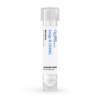
Buy Snap-8 10mg Online
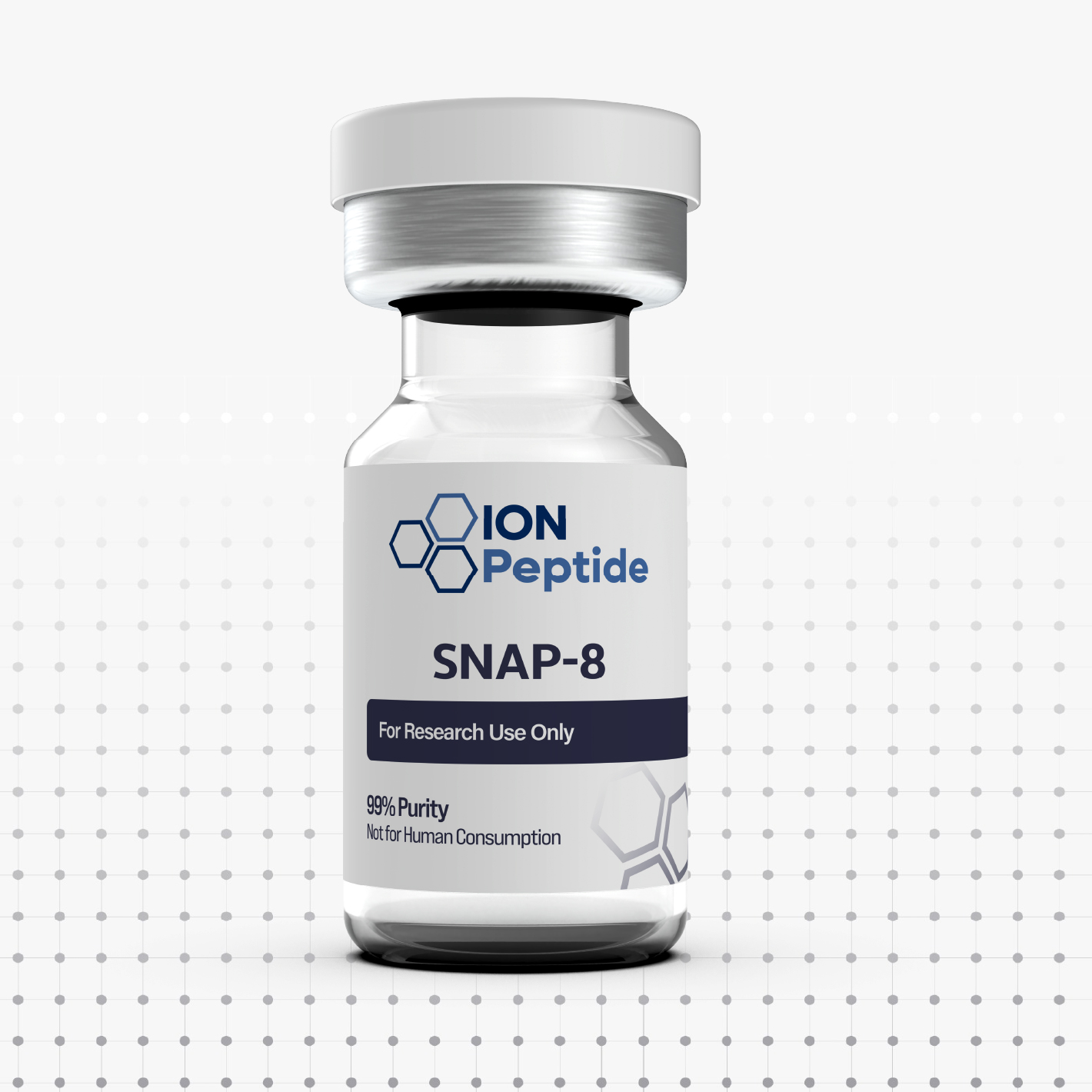
Buy Snap-8 10mg Online. Advances in cosmetic peptide research have led to the development of innovative ingredients designed to better understand skin biology and topical formulation science. One of the most recognised cosmetic peptides is SNAP-8, scientifically known as Acetyl Octapeptide-3. This synthetic octapeptide has attracted interest in cosmetic chemistry because it was designed to mimic a portion of the SNAP-25 protein involved in cellular signalling associated with muscle contraction. Researchers continue to investigate its properties in laboratory and cosmetic settings, while acknowledging that evidence for real-world cosmetic performance remains limited and is still evolving.
SNAP-8 is an extension of the earlier peptide Argireline (Acetyl Hexapeptide-8), containing two additional amino acids intended to enhance interaction with the SNARE protein complex. Because of this design, it has become an important subject in cosmetic formulation research, skin biology, and peptide chemistry.
This educational guide explores the science behind SNAP-8 10mg, including its molecular structure, laboratory applications, formulation considerations, and why it continues to receive attention within cosmetic peptide research.
What Is SNAP-8?
SNAP-8 (Acetyl Octapeptide-3) is a synthetic eight-amino-acid peptide developed for cosmetic research. It is designed to mimic part of the SNAP-25 protein, which is one component of the SNARE complex involved in neurotransmitter release. Researchers investigate whether this interaction may influence pathways associated with expression lines in laboratory and cosmetic models, although questions remain about how effectively topical formulations reach their intended biological targets.
Scientists study SNAP-8 in relation to:
- Cosmetic peptide technology
- Skin biology
- Molecular signaling
- Protein interactions
- Cosmetic formulation science
- Topical delivery systems
Understanding Cosmetic Peptides
Cosmetic peptides are short chains of amino acids incorporated into skincare formulations for research and cosmetic applications.
Researchers investigate cosmetic peptides because they may contribute to understanding:
- Skin physiology
- Cellular communication
- Protein interactions
- Cosmetic formulation development
- Surface skin appearance
Unlike therapeutic medicines, cosmetic peptides are generally studied for topical cosmetic use rather than disease treatment.
Molecular Structure of SNAP-8
The structure of SNAP-8 contributes to its scientific interest.
Researchers study several characteristics:
Eight Amino Acid Sequence
SNAP-8 contains eight amino acids arranged in a sequence derived from the SNAP-25 protein.
Acetyl Modification
The peptide is acetylated to improve stability for cosmetic formulations.
SNARE Complex Interaction
Laboratory research investigates how the peptide interacts with proteins involved in neurotransmitter release.
Water Compatibility
SNAP-8 is commonly incorporated into water-based cosmetic formulations for research purposes.
Why Researchers Study SNAP-8
Scientists continue investigating SNAP-8 because it provides opportunities to better understand several areas of cosmetic science.
Skin Biology
Studying interactions with skin-related cellular systems.
Cosmetic Formulation
Evaluating peptide stability and compatibility with topical products.
Protein Research
Investigating peptide interactions with components of the SNARE complex.
Biotechnology
Developing advanced peptide technologies for cosmetic research.
Delivery Systems
Exploring methods to improve topical formulation performance.
The SNARE Complex
The SNARE complex is a group of proteins responsible for helping nerve cells release neurotransmitters.
Researchers study SNAP-8 because it is designed to compete with part of the SNAP-25 protein involved in this complex. While this mechanism is well understood in laboratory systems, whether sufficient amounts of topically applied SNAP-8 reach the relevant biological sites in human skin remains an open scientific question.
Applications in Scientific Research
SNAP-8 is investigated across several scientific disciplines.
Cosmetic Chemistry
Developing peptide-based skincare formulations.
Biotechnology
Studying synthetic peptide technologies.
Molecular Biology
Understanding peptide-protein interactions.
Cell Biology
Investigating cellular communication.
Formulation Science
Optimising ingredient stability and compatibility.
These areas continue to expand as peptide science advances.
Laboratory Technologies Used
Modern cosmetic peptide research relies on advanced analytical techniques.
High-Performance Liquid Chromatography (HPLC)
Used to evaluate peptide purity.
Mass Spectrometry
Confirms molecular identity.
Stability Testing
Measures performance under different storage conditions.
Cell Culture Studies
Investigate peptide behaviour in laboratory environments.
Computational Modeling
Predicts molecular interactions and peptide structure.
These technologies support reproducible scientific investigations.
Formulation Considerations
Researchers developing cosmetic formulations containing SNAP-8 often evaluate:
- pH compatibility
- Ingredient stability
- Packaging materials
- Storage conditions
- Compatibility with other cosmetic ingredients
Proper formulation is important for maintaining peptide quality during research and product development.
Quality Standards
Reliable cosmetic research depends upon high-quality materials.
Researchers commonly evaluate:
- Purity
- Identity verification
- Stability
- Batch consistency
- Manufacturing documentation
These quality measures help ensure consistent laboratory investigations.
Storage Recommendations
General laboratory recommendations include:
- Store according to the manufacturer’s instructions.
- Protect from excessive heat and direct light.
- Keep containers tightly sealed.
- Prevent contamination during handling.
- Follow established laboratory procedures.
Appropriate storage helps preserve material quality for research.
Future Directions in SNAP-8 Research
Scientific interest in cosmetic peptides continues to grow.
Future investigations may include:
- Improved topical delivery technologies
- Advanced peptide engineering
- Cosmetic biotechnology
- Skin biology research
- Formulation innovation
As cosmetic science evolves, researchers continue exploring how peptide technologies may contribute to improved understanding of skin physiology and formulation performance.
Conclusion
SNAP-8 (Acetyl Octapeptide-3) remains an important subject in cosmetic peptide research because of its unique molecular design and its relationship to the SNARE complex. Scientists continue investigating its role in topical cosmetic formulations, peptide chemistry, and skin biology. Although laboratory findings have generated interest, independent clinical evidence remains limited, and additional research is needed to better understand its effectiveness in real-world cosmetic applications.
For more information about research products and educational resources:
Website: https://ionpeptides.store/
WhatsApp: +1 (318) 341-5522
Email: support@ionpeptides.online
Related products
All
All
All