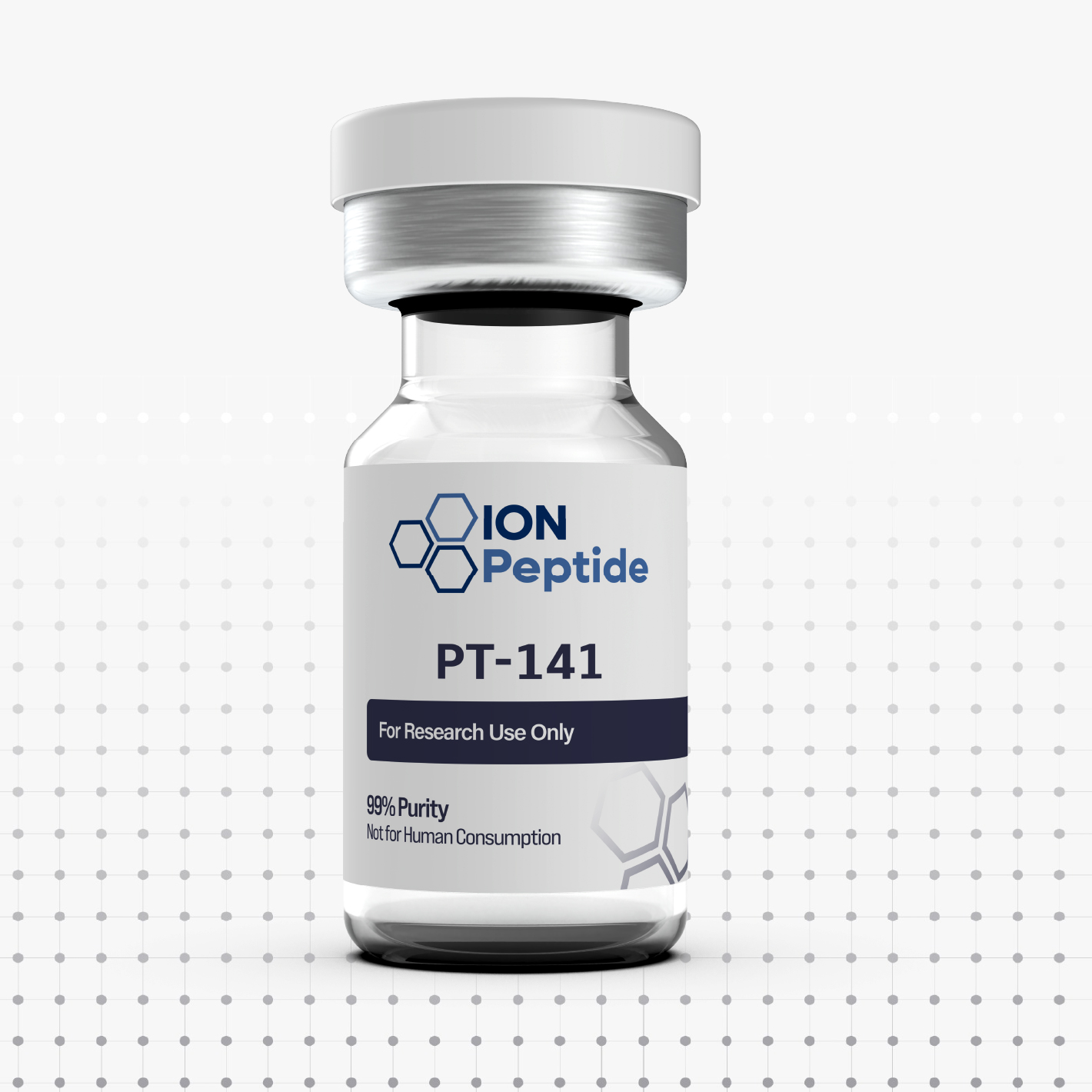
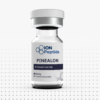
Buy PT-141 10mg Online
Buy PT-141 10mg Online, also known as Bremelanotide, is a synthetic peptide that has attracted significant scientific interest due to its unique mechanism of action involving melanocortin receptors. Unlike many peptides that are studied for their interactions with growth hormone pathways, immune signalling, or metabolic regulation, PT-141 is primarily investigated for its effects on the melanocortin system, a complex network involved in numerous physiological processes.
Researchers continue to study PT-141 because it provides valuable insights into receptor biology, neurochemical signalling, and peptide-mediated communication. Its distinctive molecular structure and mechanism have made it an important topic within peptide science, neuroscience, and molecular pharmacology.
This article provides an educational overview of PT-141 10mg, including its scientific background, molecular characteristics, research applications, and importance within modern peptide research.
What Is PT-141?
PT-141 is a synthetic peptide derived from Melanotan II, another melanocortin-related peptide. Scientists developed PT-141 through structural modifications designed to investigate specific receptor interactions within the melanocortin system.
The compound belongs to a broader family of peptides known as melanocortin receptor agonists. These peptides interact with melanocortin receptors, which are found throughout the body and play roles in numerous biological signalling pathways.
Researchers often study PT-141 because it differs from many other peptide compounds in that it primarily acts through central nervous system signalling mechanisms rather than directly influencing hormone production pathways.
Understanding the Melanocortin System
To understand why PT-141 is important in research, it is useful to understand the melanocortin system itself.
The melanocortin system consists of:
- Melanocortin peptides
- Melanocortin receptors
- Associated signalling pathways
- Regulatory feedback mechanisms
Scientists have identified several melanocortin receptor subtypes, each with distinct biological functions. These receptors participate in communication networks that influence various physiological processes.
Research involving PT-141 often focuses on how activation of specific melanocortin receptors influences signalling pathways and cellular responses.
Molecular Structure of PT-141
The structure of PT-141 was engineered to optimise interactions with targeted melanocortin receptors. Researchers frequently analyse its:
- Amino acid sequence
- Receptor-binding characteristics
- Structural stability
- Molecular conformation
- Signaling properties
Understanding peptide structure is essential because small molecular modifications can significantly affect biological activity and receptor selectivity.
PT-141 serves as a useful example of how synthetic peptide engineering can create compounds with specific research applications.
Why Researchers Study PT-141
Scientific interest in PT-141 stems from several factors.
Receptor Biology
One major area of investigation involves receptor signalling.
Researchers study PT-141 to better understand:
- Receptor activation
- Signal transduction pathways
- Cellular responses
- Molecular communication mechanisms
- Neurochemical regulation
These studies contribute to broader knowledge regarding peptide-receptor interactions.
Neurobiology Research
PT-141 is frequently discussed within neuroscience research because melanocortin receptors are present in various regions of the central nervous system.
Scientists investigate how peptide signalling influences neural communication and behavioural regulation through these receptor systems.
Molecular Pharmacology
The compound provides researchers with a valuable model for studying peptide pharmacology and receptor-targeted molecular design.
PT-141 and Peptide Science
Peptides have become increasingly important in scientific research because they often interact with highly specific biological targets.
Researchers value peptides because they:
- Act as signalling molecules
- Influence receptor activity
- Regulate communication pathways
- Support cellular coordination
- Provide insight into biological regulation
PT-141 exemplifies how synthetic peptides can be used to investigate complex physiological systems.
Research Applications
PT-141 has been examined across multiple scientific disciplines.
Neuroscience
Researchers investigate how melanocortin receptor activation influences neural communication and signalling pathways.
Molecular Biology
Scientists use peptide compounds to study cellular communication, receptor interactions, and biological regulation.
Receptor Pharmacology
PT-141 serves as a useful model for understanding receptor specificity and signal transduction mechanisms.
Biochemistry
Researchers examine the structural and functional properties of peptides and how molecular modifications influence biological interactions.
Systems Biology
Studies involving PT-141 often contribute to broader investigations of interconnected biological networks and physiological regulation.
Peptides and Cellular Communication
Cellular communication is fundamental to life.
Every physiological process depends upon cells exchanging information through signalling molecules. Peptides are among the most important of these signalling molecules.
Researchers study peptide signalling because it helps explain:
- Cellular coordination
- Tissue communication
- Receptor activation
- Molecular adaptation
- Biological regulation
PT-141 contributes to this research by providing a model for examining melanocortin-mediated communication pathways.
Importance of Receptor Selectivity
One of the reasons PT-141 attracts scientific attention is receptor selectivity.
Researchers often seek compounds capable of interacting with specific receptors while minimising activity at unrelated targets.
This allows scientists to:
- Investigate distinct biological pathways
- Understand receptor function
- Analyze signaling mechanisms
- Improve experimental precision
Studies involving PT-141 frequently examine how receptor selectivity influences physiological outcomes.
Quality Considerations in Research
High-quality materials are essential for reliable scientific investigation.
Researchers typically evaluate:
Purity
High-purity compounds reduce experimental variability.
Identity Verification
Analytical testing confirms molecular composition and structure.
Stability
Researchers assess how compounds maintain integrity over time.
Manufacturing Consistency
Reliable production standards support reproducible research outcomes.
Documentation
Accurate records contribute to transparency and scientific rigour.
Storage and Handling Practices
Proper storage and handling help maintain peptide quality.
Common laboratory recommendations include:
- Following manufacturer guidelines
- Maintaining appropriate storage temperatures
- Protecting compounds from moisture
- Using sterile handling techniques
- Avoiding contamination
These practices support reliable research results and long-term stability.
Future Directions in PT-141 Research
Peptide science continues to evolve rapidly, creating new opportunities for scientific investigation.
Future research involving PT-141 may focus on:
Advanced Receptor Studies
Researchers continue to explore melanocortin receptor biology and signalling mechanisms.
Molecular Engineering
New peptide modifications may provide insights into receptor selectivity and function.
Neurochemical Research
Scientists remain interested in understanding how peptide signalling contributes to neural communication networks.
Systems-Level Investigations
Future studies may examine how melanocortin signalling integrates with broader physiological systems.
The Importance of Evidence-Based Science
Scientific progress depends on rigorous methodology and objective analysis.
Researchers studying PT-141 emphasize:
- Reproducible experiments
- Peer-reviewed research
- Transparent reporting
- Accurate data interpretation
- Continuous scientific evaluation
These principles help ensure that conclusions are supported by reliable evidence.
Conclusion
PT-141 10mg remains an important subject within peptide research because of its unique interactions with the melanocortin system. Researchers continue to investigate its receptor biology, signalling mechanisms, and role within broader studies of neurochemical communication and molecular regulation.
As peptide science advances, PT-141 provides valuable opportunities to explore receptor-targeted signalling pathways and the complex networks that govern biological communication. Ongoing research will continue to expand scientific understanding of melanocortin receptors, peptide pharmacology, and cellular signalling systems.
For educational information about peptide research and related scientific topics:
Website: Ion Peptides Store
Email: support@ionpeptides.online
WhatsApp: +1 (318) 341-5522
Related products
All
All
All
All